


How an Empty Fruit Bunch Shredder Improves Efficiency in Palm Oil Waste Management
Palm oil mills generate massive volumes of empty fruit bunches (EFB), and handling this fibrous waste efficiently can directly impact operating costs, plant cleanliness, and downstream productivity. I’ve seen operations struggle when EFB piles up—transport slows down, processing lines clog, and valuable biomass potential goes to waste. This is exactly where an industrial empty fruit …

Sugarcane Leaf Pre-Shredding: A Smarter Way to Turn Agricultural Waste into Valuable Resources
Every sugarcane harvest creates a large amount of leftover leaves in fields and processing sites. When these leaves are dumped, left in piles, or burned in the open, they can cause unnecessary environmental problems and waste a useful biomass resource. With the right pre-shredding and processing system, sugarcane leaves can be transformed from a disposal …

How to Effectively Process and Recycle Used Oil Filters
In automotive maintenance, industrial servicing, and equipment repair, used oil filters are a typical waste stream that is both polluting and recyclable. Each filter usually contains a steel shell, trapped filter media, oil sludge, and residual used oil. If these filters are stockpiled, landfilled, or handled improperly, they can create secondary pollution while also wasting recyclable …

Key Equipment for Solid Waste Resource Utilization
With the promotion of “Zero Waste Cities” and the dual carbon goals, the efficient, safe, and environmentally friendly treatment of industrial solid waste, bulky waste, waste appliances, waste plastics, and other discarded materials has become an urgent need. As a critical pre-treatment device in solid waste resource utilization, the shredder plays a key role in …

How to Choose the Right Lubricant for a Single-Shaft Shredder
To optimize a single-shaft shredder’s performance, selecting the right lubricant is crucial. Shredders operate in demanding conditions, often exposed to dust, moisture, and contaminants. Choosing an appropriate lubricant ensures optimal operation, minimizes wear and tear, and extends the lifespan of the equipment. Here are essential factors to consider when selecting a lubricant for a single-shaft …

Mechanical Processing and Recovery of Municipal Solid Waste
As urban populations expand and consumption continues to rise, municipal solid waste (MSW) volumes are increasing year by year. Disposal facilities are under growing pressure, making waste reduction and material recovery essential parts of modern solid waste management. Mechanical pre-treatment systems have become a practical engineering solution to reduce waste volume and recover usable materials. This …

Essential Daily Maintenance for Shredders: A Step-by-Step Guide
Shredders play a vital role in the recycling and resource recovery process, particularly for waste metal materials. These machines break down materials, making them essential for environmental protection and resource conservation. For shredders to perform efficiently and effectively, regular maintenance is crucial. Proper upkeep not only boosts production efficiency but also ensures the long-term reliability of the …

What Is a Waste Plastic Crusher?
A waste plastic crusher is a high-efficiency size-reduction machine designed to process various types of plastic waste into smaller flakes or granules. It is widely used in plastic recycling and material recovery systems to prepare plastic waste for washing, extrusion, pelletizing, or reuse. By using a high-speed rotating blade system, a waste plastic crusher breaks rigid …
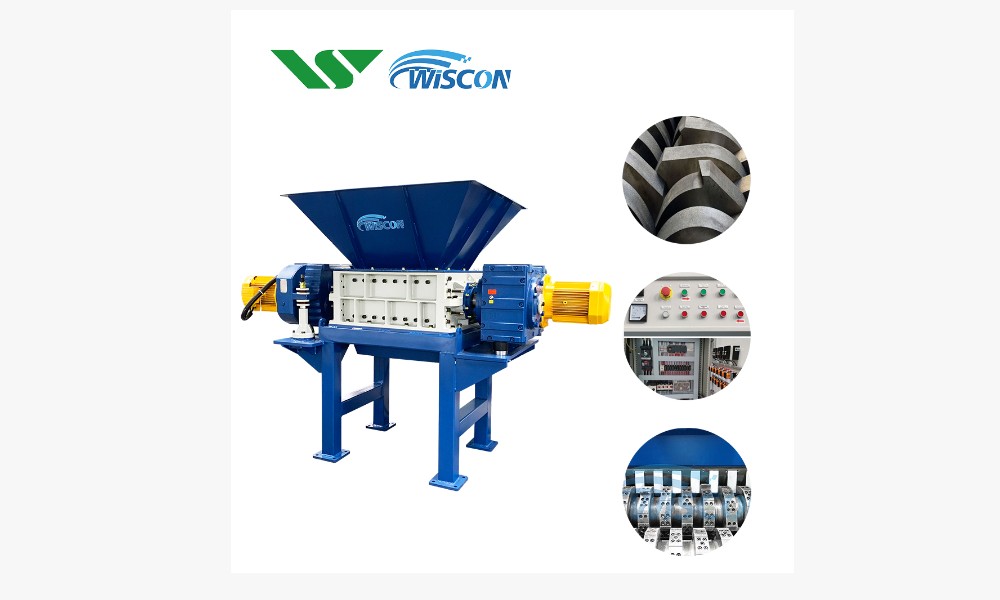
Cement’s Path to a Greener Future: Mastering Alternative Fuel Preparation
In today’s world, where carbon emissions are under the microscope, cement manufacturers face tough choices. They need to cut down on CO2 while keeping their operations profitable. Alternative fuels offer a solid way forward for decarbonization, but let’s be honest—many plants struggle to make them work day in and day out. Issues like inconsistent quality, …
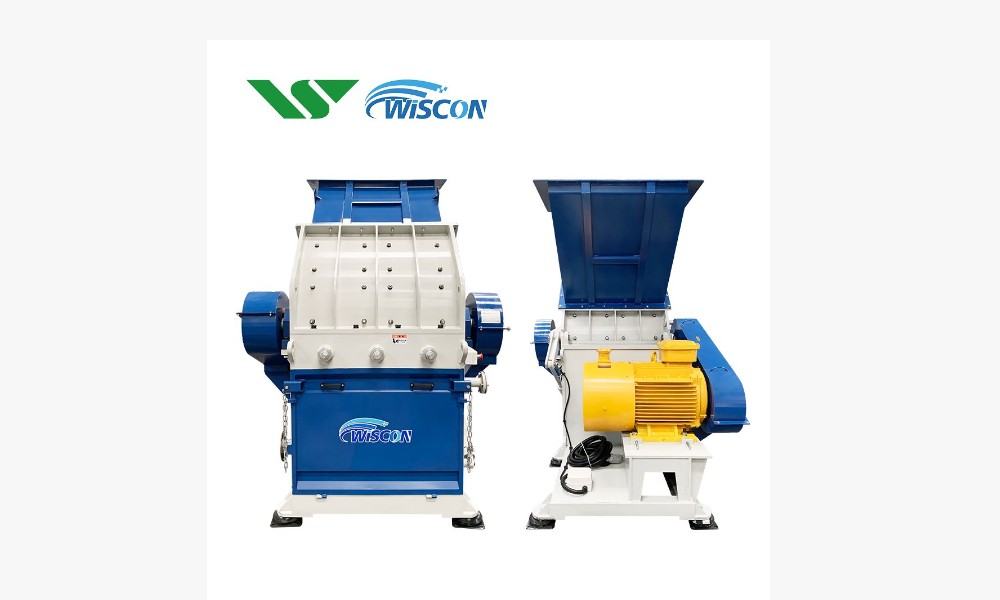
Lithium-Ion Battery Recycling Line: Process Stages and Key Equipment
A lithium-ion battery recycling line is not a single machine—it’s a complete, coordinated system. When the stages are correctly matched, plants typically see higher recovery rates, fewer safety incidents, and more consistent output quality. Below is a practical breakdown of how a standard recycling line is structured, what each stage is meant to achieve, and which …

Tackling the Mess of Scrapped Cars: How Wiscon’s Large Double-Shaft Shredder Makes a Difference
Have you ever driven through a city and seen old, abandoned cars just sitting there, taking up space and rusting away? It’s not just an eyesore—those scrapped vehicles can leak harmful chemicals into the ground, polluting our environment and creating real headaches for urban planners. So, what’s the best way to deal with this growing …

Waste Paper Recycling: Transforming Used Paper into Valuable Resources
In today’s fast-paced world, paper is everywhere—from office documents and packaging materials to shipping boxes and everyday essentials. As our economies expand and consumption keeps climbing, so does the amount of waste paper we generate. But here’s the good news: this isn’t just trash piling up. Waste paper, often called “secondary fiber” because it’s derived …

Address: Panyu, Guangzhou, Guangdong, China