


Leather Waste Shredder Jamming? Common Causes and Practical Solutions
Leather waste recycling is an important part of waste management in the footwear, handbag, furniture, and automotive interior industries. However, processing leather scraps can be challenging because of their flexibility, tensile strength, and irregular shapes. One of the most common problems operators encounter is material wrapping around shredder shafts, excessive material buildup, and frequent machine …

How to Choose a 3,000 kg/h Plastic Shredder for Film and Packaging Waste
As plastic recycling continues to expand, recycling companies are looking for reliable shredding equipment capable of processing large volumes of flexible plastic waste. Common materials include PE plastic bags, PP woven bags, plastic sheets, agricultural films, and multilayer food packaging. For recycling facilities targeting 3,000 kg/h (3 tons per hour), selecting the right shredder is …

Carpet Recycling: A Complete Guide to Materials, Processes and Recycled Products
Carpet recycling is more complicated than it first appears. A discarded carpet may look like a single textile product, but it often contains several polymers, adhesives, mineral fillers and reinforcing layers. These materials are designed to stay together during years of use, making them difficult to separate when the carpet reaches the end of its …

How to Efficiently Recycle Old Office Desks and Chairs During Company Relocation
Company relocations, office renovations, and furniture upgrades often generate large quantities of unwanted desks and chairs. These bulky items take up valuable space and increase transportation and disposal costs. An effective office furniture recycling strategy helps businesses reduce waste, recover valuable materials, and improve overall waste management efficiency. Why Is Office Furniture Recycling Important? Office …

What Is the Best Machine for Waste Computer Case Recycling? Twin-Shaft Shredder Explained
Recycling old computer cases involves more than simply breaking plastic and metal into smaller pieces. Desktop computer housings, monitor covers, and electronic equipment enclosures are often made from ABS plastic, PC/ABS blends, steel, or aluminum. Each material behaves differently during shredding. For recycling facilities handling bulky or mixed computer housings, a twin-shaft shredder is often …

How to Choose the Right Industrial Shredder for an Island Composting Facility
Managing organic waste on an island presents unique challenges. Limited landfill space, expensive transportation, and growing environmental concerns make local waste treatment increasingly important. For island communities, hotels, resorts, and municipal waste management facilities, composting offers a practical way to convert organic waste into valuable soil amendments. However, successful composting begins with proper material preparation. …
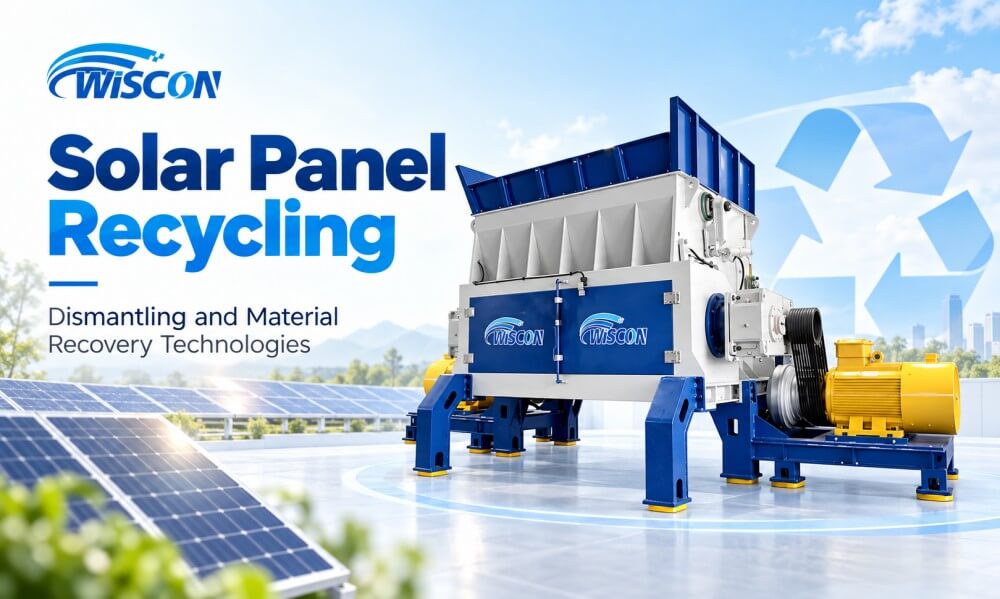
Wind and Solar Recycling: Solar Panel Dismantling and Material Recovery Technologies
As global solar power installations continue to expand, an increasing number of photovoltaic (PV) modules are approaching the end of their operational lifespan. Solar panel recycling has become an essential part of the renewable energy recycling industry, creating new opportunities for sustainable waste management and material recovery. Efficient PV module dismantling, mechanical shredding, and material …
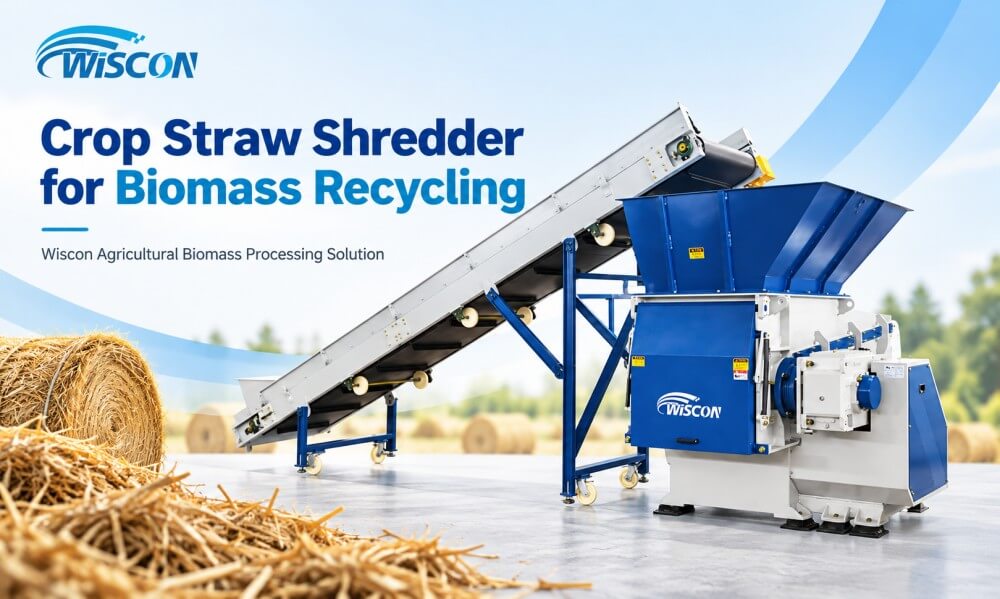
Crop Straw Shredder Supports Efficient Agricultural Biomass Recycling
As agricultural production continues to expand, large quantities of crop residues are generated every year, including corn stalks, wheat straw, rice straw and other fibrous biomass materials. For farms, biomass processors and agricultural waste recycling companies, the challenge is no longer simply how to dispose of these materials. The more important question is how to …
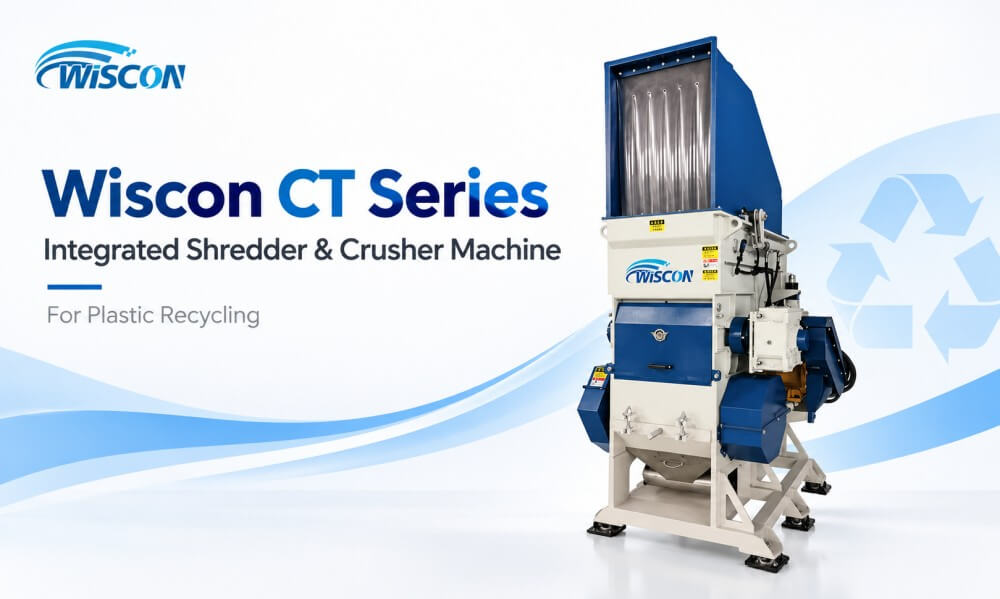
Why Are Integrated Shredder and Crusher Machines Gaining Attention in Solid Waste Recycling?
As plastic recycling, industrial waste recovery, and recycled material processing become increasingly automated, recycling companies are paying more attention to how much space, labor, and equipment are required for material size reduction. A conventional recycling line often uses a separate shredder, conveyor, and crusher. While this configuration remains suitable for many large-scale applications, it also …

200L Plastic Drum Shredder: How to Prevent Jamming and Improve Recycling Efficiency
Shredding a 200-liter plastic chemical drum may look simple, but in continuous industrial recycling, the real challenge is not whether a shredder can break one drum. The more important question is: Can the shredder continuously grip, feed, and reduce full-size plastic drums without frequent bridging, manual repositioning, overloads, or production stops? Unlike plastic scraps, lumps, …

Is Leather Waste Recycling Profitable?
Quick Answer: Is Leather Waste Recycling Profitable? Yes, leather waste recycling can be profitable when companies have a stable waste supply, suitable recycling equipment, and reliable markets for recycled materials. However, profitability does not come simply from collecting leather scraps and selling them. The real value comes from transforming industrial leather waste into reusable resources …

How to Choose the Right Plastic Bucket Shredder for Small-Batch Paint Residue Plastic Recycling?
When a customer asks for a plastic shredder, many people immediately focus on motor power or shredding capacity. However, for industrial applications, the correct shredder selection depends on much more than output. Material shape, contamination, feeding method, safety requirements, and operating frequency all directly influence the final machine design. Recently, a customer approached Wiscon Environmental …

Address: Panyu, Guangzhou, Guangdong, China