In metal recycling, aluminum wire is a valuable but often underestimated material. It is lightweight, widely used, and highly recyclable. However, scrap aluminum cable is not ready for resale when it arrives at a recycling yard. It may contain plastic insulation, steel reinforcement, dust, oil, mixed copper strands, or other contaminants. This is where an aluminum wire shredder becomes an important part of the recycling process.
A well-designed aluminum wire shredding system can turn bulky cable waste into clean, uniform granules that are easier to separate, sell, and remelt. For recycling companies, cable processors, and metal recovery plants, understanding the full workflow helps improve recovery rate, reduce labor cost, and protect equipment from unnecessary wear.
Aluminum recycling is also important from an energy perspective. The International Aluminium Institute notes that recycled aluminum can save about 95% of the energy required for primary aluminum production, with recycled aluminum requiring about 8.3 GJ per tonne compared with 186 GJ per tonne for primary production.
1. Material Feeding: Preparing Scrap Aluminum Wire
The workflow starts with material preparation. Scrap aluminum wire may come from power cables, communication cables, automotive wiring, construction demolition, appliance recycling, or electrical equipment dismantling. Before feeding the material into an aluminum wire shredder, operators should remove obvious oversized foreign objects, such as thick steel bolts, stones, or heavy iron parts.
Although industrial shredders are built for tough materials, clean feeding always improves stability. Mixed feeding may cause uneven cutting, overload alarms, or higher blade wear. For high-volume operations, a conveyor with a metal detector or pre-sorting station is often used before shredding. This helps protect the shredder and keeps the downstream granulation system running smoothly.
2. Primary Shredding: Reducing Cable Size
The first core step is primary shredding. The aluminum wire shredder uses low-speed, high-torque cutting shafts to tear long cables into shorter pieces. This makes the material easier to handle and prepares it for further granulation.
For thick aluminum cable, a double-shaft shredder is commonly used because it can grab and pull the material into the cutting chamber. For lighter wires or softer materials, a single-shaft shredder may also be suitable. The goal at this stage is not final separation. The purpose is size reduction.
Typical output after primary shredding may range from 30 mm to 100 mm, depending on screen size, blade design, and cable type. Uniform output helps improve the performance of the next stage.
3. Granulation: Turning Shredded Wire into Small Particles
After primary shredding, the material enters a granulator or fine crusher. This machine cuts the wire pieces into much smaller particles, often between 2 mm and 8 mm. At this size, aluminum and plastic insulation start to separate more effectively because their density, shape, and flexibility are different.
This stage is critical. If particles are too large, aluminum may remain attached to insulation. If particles are too fine, aluminum loss may increase through dust or light material carryover. A good aluminum wire recycling line should balance particle size, recovery rate, and energy consumption.
In practical operation, many plants adjust screen size based on the input cable. Thick armored cable, household wire, and clean aluminum conductor may require different settings.
4. Air Separation: Removing Plastic Insulation
Once the material becomes granules, air separation is used to separate aluminum from plastic. The system uses airflow, vibration, and density differences. Aluminum particles are heavier and move in one direction, while lighter plastic particles are carried or lifted away.
This is where the quality of granulation becomes visible. If the aluminum wire shredder and granulator produce consistent particles, the air table can achieve cleaner separation. If the material size is uneven, separation becomes less accurate.
For many recycling plants, the target is to achieve aluminum purity above 95%, depending on input material and equipment configuration. Higher purity is possible with additional separation stages, but the cost and complexity will also increase.
5. Magnetic and Eddy Current Separation
Although the main material is aluminum wire, scrap cable streams often contain ferrous metals. Magnetic separation is used to remove steel before or after granulation. This protects downstream machines and improves aluminum quality.
For more advanced systems, eddy current separation may be added to recover non-ferrous metals from mixed fractions. Eddy current separators are especially useful when aluminum is mixed with plastic, copper, brass, or other non-ferrous particles.
According to the International Energy Agency, global aluminum collection rates are over 95% for manufacturing scrap and around 75% for end-of-life scrap, which shows why better sorting and recovery technologies still matter in the recycling industry.
6. Dust Collection and Safety Control
Cable shredding and granulation create dust, especially when processing old insulation, dry plastic, or contaminated wire. A proper aluminum wire shredder workflow should include dust collection, filtration, and air management.
Dust control is not only about keeping the workshop clean. Fine plastic dust can affect worker health, machine reliability, and fire safety. In some plants, spark detection, temperature monitoring, and fire suppression systems are added to reduce operational risk.
Operators should also avoid feeding unknown materials into the line. Cables with oil, chemicals, batteries, or explosive components should be handled separately.
7. Final Aluminum Granule Collection
After separation, clean aluminum granules are collected in bags, bins, or storage silos. The final product can be sold to aluminum smelters, secondary aluminum plants, or metal traders. Buyers usually care about purity, moisture content, particle size, and contamination level.
Clean aluminum granules generally have a better market value than mixed cable scrap because the buyer does not need to spend extra labor and energy on separation. For recycling businesses, this is the main reason to invest in a complete aluminum wire shredder system instead of selling unprocessed scrap wire directly.
8. How to Improve Recovery Rate
To improve aluminum recovery, recyclers should focus on four areas: stable feeding, correct blade selection, proper granulation size, and accurate separation adjustment. Regular maintenance is also important. Worn blades create uneven particles, and uneven particles reduce separation quality.
A recycling line should not be judged only by motor power or hourly capacity. A better measurement is how much clean aluminum can be recovered per tonne of input material, and how much aluminum is lost in the plastic fraction.
Conclusion
An aluminum wire shredder is not just a crushing machine. It is the first step in a complete recycling workflow that includes shredding, granulation, air separation, magnetic separation, dust control, and final material collection.
From cable to granule, each stage affects the final recovery rate and profit margin. For companies processing large volumes of scrap aluminum cable, choosing the right equipment and workflow can turn low-value mixed waste into clean, marketable aluminum granules. In a recycling market where energy savings, purity, and processing efficiency all matter, a well-designed aluminum wire shredder system is a practical investment for long-term metal recovery.
FAQ
FAQ 1
Q: What is an aluminum wire shredder used for?
A: An aluminum wire shredder is used to reduce scrap aluminum cables and wires into smaller pieces before granulation and separation. It helps recyclers recover valuable aluminum from plastic insulation and other mixed materials.
FAQ 2
Q: Can an aluminum wire shredder separate aluminum from plastic directly?
A: The shredder mainly reduces cable size. Final separation usually requires a granulator, air separator, magnetic separator, or eddy current separator to separate aluminum from plastic and other contaminants.
FAQ 3
Q: What materials can be processed by an aluminum wire shredder?
A: It can process scrap aluminum cable, insulated aluminum wire, automotive wiring, power cable, communication cable, and mixed wire waste, depending on machine design and blade configuration.
FAQ 4
Q: What is the final product after aluminum wire shredding?
A: After shredding, granulation, and separation, the final product is usually clean aluminum granules. These granules can be sold to aluminum smelters, secondary aluminum plants, or metal traders.
FAQ 5
Q: How can recyclers improve aluminum recovery rate?
A: Recovery rate can be improved by stable feeding, proper blade maintenance, correct granulator screen size, accurate air separation adjustment, and effective removal of ferrous metals and plastic dust.


 1. Material Feeding: Preparing Scrap Aluminum Wire
 5. Magnetic and Eddy Current Separation
 FAQ
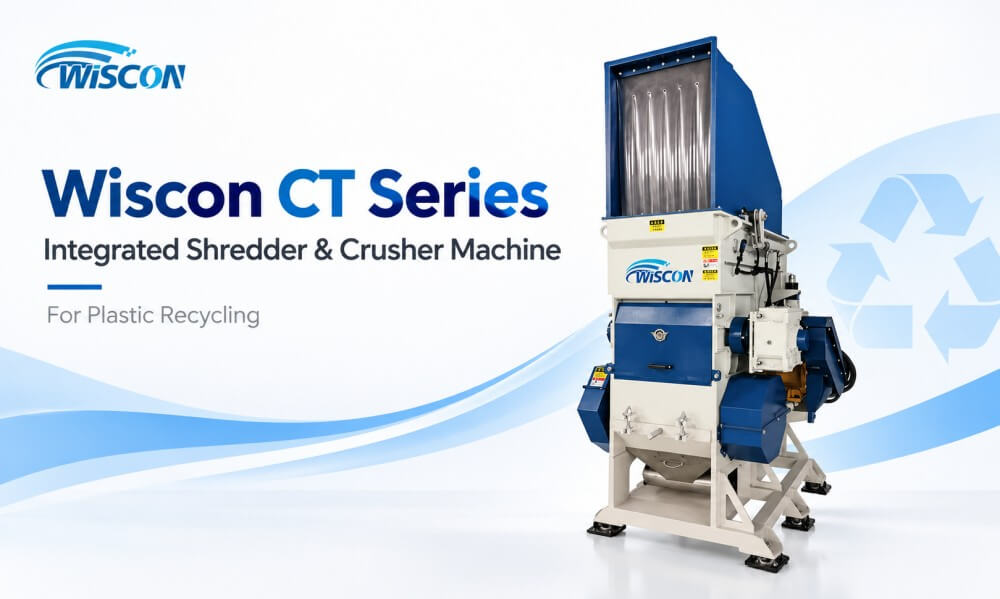 Why Are Integrated Shredder and Crusher Machines Gaining Attention in Solid Waste Recycling?
 200L Plastic Drum Shredder: How to Prevent Jamming and Improve Recycling Efficiency
 Is Leather Waste Recycling Profitable?
 How to Choose the Right Plastic Bucket Shredder for Small-Batch Paint Residue Plastic Recycling?
 Paper Mill Waste Recycling: Turning Paper Mill Rejects into RDF/SRF
